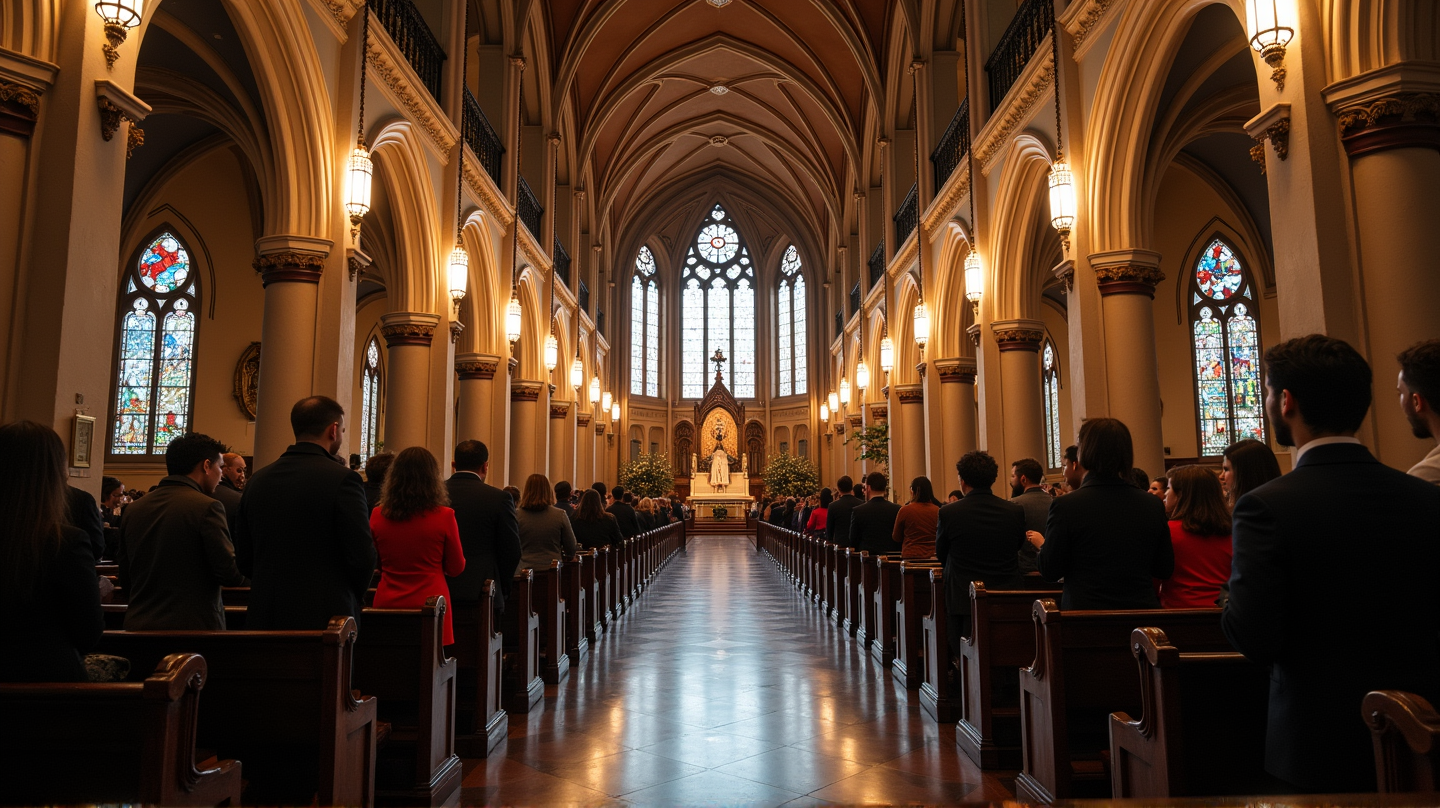
In a dramatic standoff on Manhattan’s Upper West Side, celebrity activism collides with community tradition as stars vie to save a beloved historic structure. The West Park Presbyterian Church—a relic entwined in the architectural tapestry of New York City—is at the heart of this gripping saga.
The Battle for West Park
Caught in a duality of preservation versus progress, the crumbling 135-year-old church has become a battleground. On one side stand A-list advocates like Mark Ruffalo and Scarlett Johansson, whose advocacy for preserving the church as a performing arts venue has drawn attention far and wide. On the other, a dwindling congregation envisions a future funded by a lucrative property sale, resolving financial strains and revitalizing their mission to serve the community.
Parishioners’ Perspective
Led by Roger Leaf, the church’s administration battles against mounting debts and underutilization, asserting that the sale’s proceeds—pegged at a substantial $50 million—would facilitate a social justice fund, ensuring perpetual support for local initiatives. “The landmark status binds us,” Leaf states, “preventing transformative use of the property for greater community impact.”
Preservation vs. Practicality
Since chunks of the building began dangerously disembarking onto West 86th Street, the congregation’s focus has soured from spiritual to survival. Rev. Chris Shelton echoes a poignant sentiment, “The church is not a building; it is the people and their path.” Despite proposals over the years to integrate affordable housing into the structure, they’ve been thwarted by landmark designations, constricting revitalization.
Celebrities Join the Fray
Debby Hirshman, a strategic arts advocate, recruited heavyweight talent in this preservation fight. With stars like Matt Dillon and Alec Baldwin emphasizing cultural heritage, they’ve staged events pulling at the city’s heartstrings. Despite this star-studded script, pragmatism prevails, as the Landmarks Preservation Commission prepares to decide if saving the structure is feasible or just an emotional echo.
The Path Forward
Come Dec. 9, the spotlight will shine on whether historic essence outweighs economic necessity. With only 13 removals of landmark status in over half a century, the odds stack dauntingly against the sale, yet Flowers, a longtime parishioner, contends with quiet optimism. “For once, let faith and justice, not fame, guide us to a fair conclusion,” she implores.
As the city waits with bated breath, this melodrama of community versus celebrity has evoked deeper discourse into how New Yorkers value their historic landmarks. According to Gothamist, this isn’t just a tale of bricks and mortar; it’s a testament to preserving the soul of the city amid evolving landscapes.