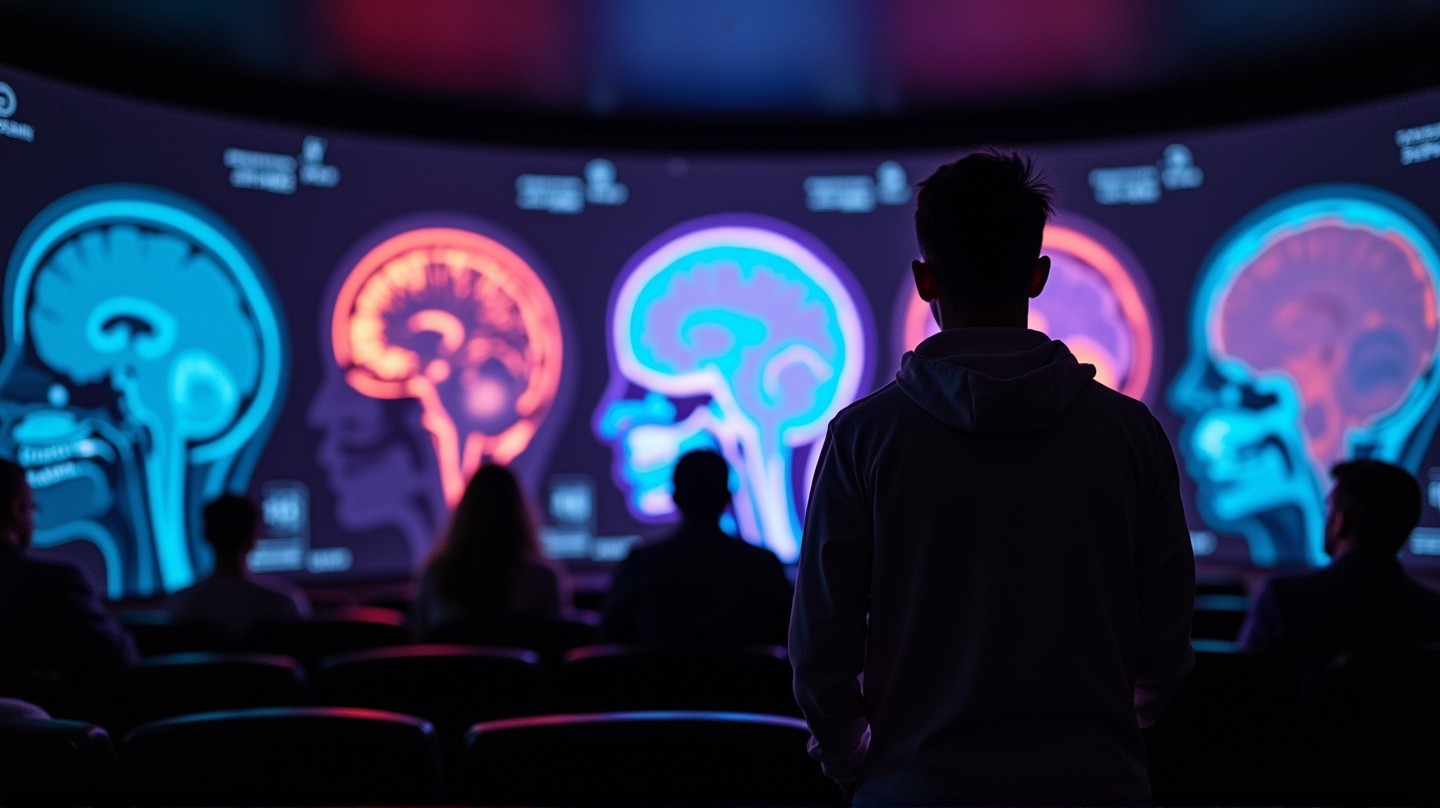
The New Frontier in Brain Research
When scientists delve into understanding the intricacies of the human brain, they often start with controlled, methodical experiments. However, a daring group of researchers, particularly at Princeton University, is opting for a radically different method: the vibrant world of Hollywood films. In a bold move, they are departing from simple visual cues to fully immersing subjects in the dynamic, emotional world of cinema. According to The Times of India, this approach is unraveling brain responses that are more synchronized, emotional, and predictable than previously thought.
Cinema: A New Tool for Cognitive Science
For decades, stripped-down visuals dominated brain research due to their simplicity and measurability. Yet, such reductive tools fail to capture the full essence of real-life cognition. Movies, with their unpredictable narratives and emotional depth, provide an authentic setting in which the brain engages fully, revealing how it functions in real-world scenarios. Hollywood’s elements—rapid cuts, poignant music, and powerful scenes—are now seen as the perfect stimuli for studying cognitive and emotional processes.
Synchronization Across Minds
Astonishingly, synchronized brain activity emerges while watching films, akin to how Wi-Fi connects devices. Using fMRI scans, researchers have noted that during emotionally charged scenes, viewers’ brain activities align closely. This uniformity suggests a universal cognitive wiring, influencing how humans process threats, humor, relationships, and social signals.
Emotional Hijacking: From Empathy to Anxiety
The emotional pull of Hollywood cinema is so potent that neuroscientists use it to study empathy and anxiety biologically. Films can stimulate the amygdala, associated with fear, or the medial prefrontal cortex, linked to understanding others. By examining these reactions, researchers hope to decode differences in emotional perception between neurotypical individuals and those with social disorders.
Predictive Power of the Brain
Movies offer insights into how the brain predicts and constructs reality. Anticipatory neural firing occurs as characters interact, while sudden narrative shifts activate memory regions, aiding in comprehension. Such patterns mirror day-to-day cognitive responses to unexpected life events or decision-making processes.
A Glimpse into the Future
The implications of these findings extend into the future of neuroscience. Film-based studies can potentially personalize therapies for mental health, refine cognitive disorder diagnostics, and even influence the crafting of emotionally resonant stories. Laboratories are merging Hollywood clips with AI to recreate scenes solely from brain activity, hinting at future possibilities where thoughts manifest visually.
Hollywood films, once mere entertainment, are breaking new ground in brain science. By engaging with the complex rhythms of real life, they provide an unprecedented window into the very essence of human thought and emotional connectivity, uncovering a biological narrative as compelling as any cinematic masterpiece.