Varf Evotradex Trading Platform Alternatives 2026: Reliable Options for Online Traders
I’m Marcus Thorne, a Chicago chartist—price action is my headline and the chart takes everything into account. If you’re researching Varf Evotradex alternatives, odds are you want clearer execution rules, stronger oversight, and a platform you can stress-test the way you’d backtest a setup. In practice, many traders looking at Varf Evotradex are comparing it against regulated, multi-asset brokers that offer deeper charting, more transparent fee schedules, and tighter operational controls (segregation of funds, clear disclosures, and audited processes). This matters globally, but especially for US/EU traders who face stricter onboarding, leverage limits, and reporting expectations. In the sections below, I’ll treat Varf Evotradex as a baseline and map out safer, regulated options—without pretending any broker is “risk-free.”
Disclaimer: This article is for informational purposes only and does not constitute investment advice. Trading leveraged products carries a high level of risk.
Key Takeaways (TL;DR)
- Prioritize regulation first: licensing and investor protections can matter more than a slick interface.
- Compare platforms and execution: charting tools, order types, and slippage controls decide real-world results.
- Use a migration checklist: document positions, test withdrawals, and move in stages—especially when switching providers.
What Is Varf Evotradex and How Does Its Trading Platform Work?
Based on publicly typical patterns for newer CFD brands—and because verified, current broker specifications are not reliably available in this context—consider the following a baseline assumption set for comparison. Varf Evotradex is treated here as an unregulated or offshore (high risk) CFD-style venue offering primarily forex and CFDs via a proprietary web trader (basic). That profile isn’t automatically “bad,” but it raises the bar for due diligence: with chart-based trading, the edge comes from execution quality, stable infrastructure, and rule consistency. If any of those are unclear, traders naturally start reviewing platforms like Varf Evotradex that are regulated and provide stronger disclosures.
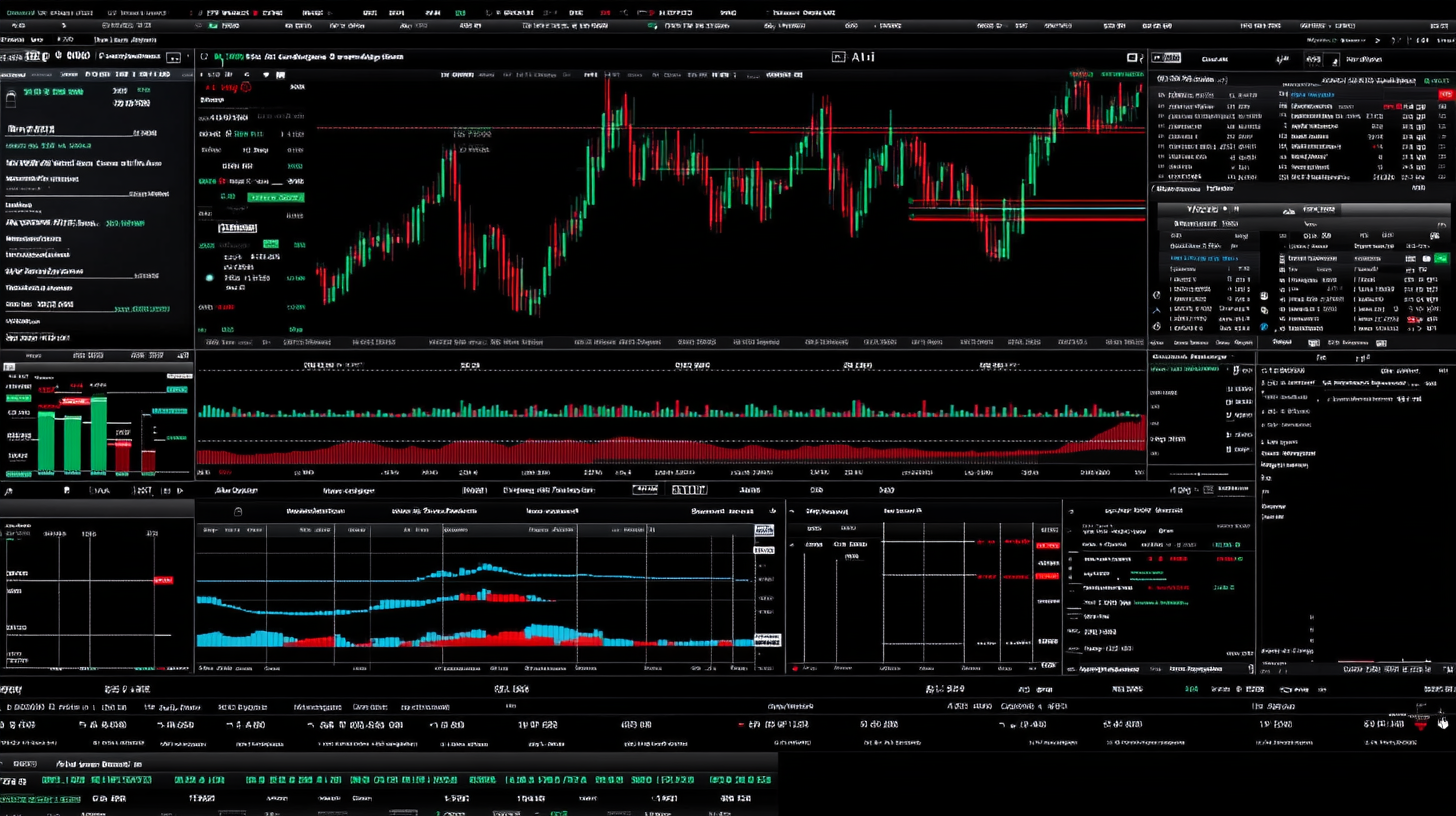
Varf Evotradex Web Trading Platform: Core Features and Tools
On the platform side, the baseline expectation is a browser-based interface with common CFD mechanics: market/limit orders, basic watchlists, a small set of indicators, and standard timeframe candles. For a chartist, the make-or-break details are rarely “how many indicators” but whether the platform allows disciplined execution: reliable order placement during volatility, clear fill reporting, and stable chart feeds. Basic web traders often fall short on advanced needs such as multi-chart layouts, custom scripts, detailed order-routing disclosures, and robust trade journaling exports. If you trade breakouts, retests, or volatility compression, the platform must handle fast transitions—otherwise the chart is right and the fill is wrong, which is a losing equation.
Trading Fees, Spreads, and Account Types at Varf Evotradex
Using industry-standard defaults for a high-level comparison, assume floating spreads from ~2.0 pips on major FX pairs, with costs embedded in the spread rather than transparent commission tiers. CFD venues may also layer in overnight financing (swap), potential inactivity fees, and conversion fees depending on base currency. Account “types” are commonly presented as tiered packages, but what matters is whether the pricing and execution improve in measurable ways (tighter effective spread, fewer requotes, better reporting). When traders can’t verify these mechanics, they start scanning regulated options vs Varf Evotradex where fee schedules and best-execution policies are clearer.
When Do Traders Start Looking for Varf Evotradex Alternatives?
Traders don’t switch because of a single red flag—they switch when enough friction shows up on the chart and in the account history. In my world, the tape tells the truth: if your strategy’s expectancy degrades and you can trace it to fills, platform limits, or unclear protections, it’s time to compare alternatives to the Varf Evotradex trading platform and re-underwrite your trading stack.
- Regulation concerns: If oversight, segregation of funds, complaints handling, or legal entity details aren’t crystal-clear, risk isn’t just market risk anymore.
- Execution and slippage issues: Widening spreads at key sessions, frequent partial fills, or inconsistent stop/limit behavior can break a chart-based plan.
- Platform limitations: No MT4/MT5/cTrader, limited order types (OCO, trailing logic, advanced TP/SL), or weak charting layouts can slow decision-making.
- Costs and withdrawals: If total cost of trading (effective spread + swaps + fees) is hard to estimate, or withdrawal timelines are unpredictable, traders seek better-governed venues.
How to Choose a Reliable Alternative to the Varf Evotradex Trading Platform
Choosing among Varf Evotradex alternatives isn’t about finding a “perfect broker.” It’s about stacking probabilities in your favor: reduce operational risk so your only real opponent is the market. Start with protection and transparency, then work outward to costs, tools, and day-to-day usability.
Regulation, Safety, and Investor Protection
For US/EU-focused traders, regulation is the first filter. Look for brokers supervised by top-tier authorities (for example, the FCA in the UK, ASIC in Australia, CySEC in Cyprus/EU framework, MAS in Singapore; in the US, forex dealers are regulated by the CFTC/NFA). Regulation doesn’t guarantee profits, but it does raise standards around marketing claims, complaints processes, capital requirements, and client money handling. Confirm the legal entity you’ll sign with, not just the brand name. If you’re moving away from an offshore-style setup, prioritize brokers that publish clear risk disclosures and maintain robust client-fund safeguards.
Available Markets and Instruments
Match the venue to your playbook. If you trade FX sessions and macro volatility, you’ll want strong FX/CFD coverage and reliable execution during London/NY overlaps. If you rotate into equities or ETFs for swing setups, a multi-asset broker may be a better fit than a pure CFD shop. The best brokers similar to Varf Evotradex (in terms of CFD access) still differ widely in symbol depth, contract specs, and whether they offer cash equities alongside derivatives.
Trading Costs: Spreads, Commissions, and Other Fees
Don’t compare marketing spreads—compare effective trading cost. That’s spread at the moment you trade plus any commission, plus slippage, plus overnight financing if you hold. Many CFD accounts advertise low minimum deposits, but the real cost shows up during news spikes and rollovers. If you can’t estimate your monthly cost from the broker’s disclosures, treat it as a warning sign. As a baseline comparison, if one venue resembles an offshore model (e.g., “floating from 2.0 pips”), regulated peers often provide more transparent pricing tiers and reporting.
Platforms, Tools, and Execution Quality
Chart traders need stable candles and honest fills. Evaluate platform uptime, order controls (guaranteed stops where applicable, partial close, advanced brackets), and the quality of trade reports for journaling. MT4/MT5 and cTrader matter if you automate, but even manual traders benefit from better order management and data exports. If you’re evaluating competitors to Varf Evotradex, test execution with a small account, trade at your usual times, and measure slippage on your core setups.
Support, Education, and Overall User Experience
Support is part of risk management. You want fast responses for account, platform, and withdrawal issues—plus clean documentation. Education matters less than most ads claim, but accurate product specs and transparent margin rules matter a lot. A good alternative has a clear website, straightforward agreements, and no pressure tactics.
Varf Evotradex and Different Asset Classes: When Alternatives May Be Better
Varf Evotradex Forex and CFD Trading
Using the baseline assumptions, Varf Evotradex is primarily positioned around forex and CFDs. That’s a common sandbox for active traders: liquid majors, indices, metals, and sometimes energies. The advantage is flexibility—going long/short is straightforward and margin is built in. The drawback is that your entire experience depends on the broker’s pricing integrity and execution. If the platform is a basic web trader, your chart workflow may be constrained (limited multi-timeframe layouts, fewer order management tools, and less robust reporting). In fast markets, “tight enough” spreads are less important than consistent fills and clearly defined margin rules.
Where Varf Evotradex alternatives can be better is in the parts that don’t show on a candlestick: stronger oversight, audited processes, clearer conflict-of-interest disclosures, and more professional-grade platforms. If your strategy depends on precise entries (breakout triggers, stop placement under structure, scaling out at measured moves), you need tools that won’t fight you. On regulated venues, you also tend to see clearer product documentation (contract sizes, rollover schedules, margin changes), which helps you model risk before you click.
Varf Evotradex Stock and ETF Trading
Stock and ETF access may be limited or unavailable on a CFD-first platform, and if offered it’s often via CFDs rather than direct share dealing. That changes the game: you’re trading a derivative with financing costs and potentially different tax treatment than holding the underlying security. For US/EU traders who want cash equities or ETF investing alongside active trading, top substitutes for Varf Evotradex are typically multi-asset, regulated brokers that provide both investing and trading accounts. From a chartist perspective, direct market access isn’t required for every strategy, but better corporate action handling, clearer pricing, and stronger reporting can matter for swing holds and portfolio overlays.
Varf Evotradex Crypto Trading
Crypto availability on CFD venues varies widely. Some offer only a handful of crypto CFDs with wide spreads and conservative leverage; others restrict access based on region. If crypto is central to your plan, treat it as a separate due diligence lane: product type (CFD vs spot), weekend pricing behavior, margin changes during volatility, and how the broker handles extreme gaps. Many traders seeking Varf Evotradex trading platform alternatives 2026 prefer regulated firms that are explicit about crypto offering limitations and client protections, rather than vague marketing promises.
Best Varf Evotradex Alternatives for 2026: Comparison of Top Trading Platforms
IG: Key Facts and How It Compares to Varf Evotradex
Regulation: Regulated in multiple jurisdictions (commonly including FCA in the UK and other top-tier regulators depending on entity/region).
Markets: Broad multi-asset access typically including forex, indices, commodities, shares/ETFs (cash or CFDs depending on region), and more.
Fees: Pricing structure varies by instrument and entity; typically spread-based for CFDs/FX with published schedules and financing for holds.
Platform: Robust proprietary platforms plus integrations (availability depends on region); strong charting and risk tools.
Best For: Traders who want a long-established, highly regulated venue with deep market coverage and strong platform tooling.
Saxo: Key Facts and How It Compares to Varf Evotradex
Regulation: Regulated in multiple regions (often including Danish/European and other recognized regulators depending on the Saxo entity).
Markets: Multi-asset offering typically spanning FX, CFDs, stocks, ETFs, bonds, options, and futures (availability varies by jurisdiction).
Fees: Tiered pricing is common; commissions for exchange-traded products and spreads/financing on FX/CFDs.
Platform: Professional-grade SaxoTraderGO/SaxoTraderPRO style platforms with advanced charting and portfolio views.
Best For: Serious multi-asset traders/investors who want institutional-style tools and broad product access.
Interactive Brokers: Key Facts and How It Compares to Varf Evotradex
Regulation: Highly regulated across major jurisdictions (US/EU/UK entities; oversight varies by entity and product line).
Markets: Very broad global market access including stocks, ETFs, options, futures, bonds, and FX (product availability depends on region and permissions).
Fees: Typically commission-based for many exchange-traded instruments; FX pricing can be competitive with transparent reporting.
Platform: Trader Workstation (TWS) plus web/mobile; strong routing controls, analytics, and reporting.
Best For: Active traders who value global access, detailed reporting, and professional execution controls.
CMC Markets: Key Facts and How It Compares to Varf Evotradex
Regulation: Regulated in key markets (commonly FCA and other regulators depending on region).
Markets: Strong CFD lineup typically including FX, indices, commodities, treasuries/rates, and share CFDs (region-dependent).
Fees: Often spread-based CFDs; some offerings include commission-based FX pricing tiers in certain regions.
Platform: Next Generation-style proprietary platform known for rich charting and pattern/scan tools.
Best For: Chart-focused CFD traders who want powerful native tools without relying on third-party platforms.
Pepperstone: Key Facts and How It Compares to Varf Evotradex
Regulation: Regulated in multiple jurisdictions (commonly including ASIC and FCA entities; availability depends on residency).
Markets: Primarily FX and CFDs (indices, commodities, some shares/crypto CFDs depending on entity).
Fees: Commonly offers spread-only and commission+raw spread accounts (exact terms vary by entity); financing applies to holds.
Platform: Often supports MT4/MT5 and cTrader plus integrations; popular for execution-focused setups.
Best For: Active FX/CFD traders who want mainstream platforms (MT4/MT5/cTrader) and competitive pricing structures.
OANDA: Key Facts and How It Compares to Varf Evotradex
Regulation: Regulated in major jurisdictions (entity-specific; in the US, OANDA is a well-known regulated forex dealer under CFTC/NFA frameworks).
Markets: Strong FX offering, with CFDs available in certain non-US regions (product set depends on location).
Fees: Typically spread-based pricing with transparent historical pricing/analytics tools in many regions; overnight financing applies where relevant.
Platform: Proprietary platforms plus API access; integrations may be available depending on region.
Best For: FX-first traders (including US-based traders) who prioritize regulation, transparency, and stable infrastructure.
Comparison Summary
| Platform | Regulation | Main Markets | Typical Costs | Best For |
|---|---|---|---|---|
| IG | Multi-jurisdiction (often FCA + others, entity-dependent) | FX, CFDs, shares/ETFs (region-dependent), multi-asset | Mostly spread-based; financing on holds; published schedules | Traders wanting a long-established, highly regulated multi-asset venue |
| Saxo | Multi-jurisdiction (EU/UK/other entities) | Multi-asset: FX, stocks, ETFs, options, futures (region-dependent) | Tiered commissions + spreads/financing depending on product | Advanced multi-asset traders/investors needing pro platforms |
| Interactive Brokers | US/EU/UK regulated entities (permissions vary) | Global stocks/ETFs/options/futures/bonds/FX | Often commission-based; transparent reporting; financing where applicable | Active traders needing broad access and institutional-style controls |
| CMC Markets | Key regulators (often FCA + others, region-dependent) | CFDs: FX, indices, commodities, share CFDs (region-dependent) | Spread-based; some commission FX tiers in certain regions | Chart-first CFD traders who want powerful native tools |
| Pepperstone | Multi-jurisdiction (often ASIC/FCA entities) | FX and CFDs | Spread-only or commission+raw spread accounts (entity-dependent) | MT4/MT5/cTrader users focused on active FX/CFD execution |
| OANDA | Major jurisdictions (US CFTC/NFA entity; others region-dependent) | FX (plus CFDs in some regions) | Mostly spread-based; transparent pricing tools; financing where relevant | FX-focused traders prioritizing regulation and transparency |
How to Safely Move from Varf Evotradex to Another Broker
When you transition to Varf Evotradex alternatives, do it like you’d manage a position: define risk, scale deliberately, and confirm fills. Operational mistakes can cost more than a bad trade.
- Audit your current exposure: List open positions, pending orders, margin usage, and any bonuses/promotions that could affect withdrawals.
- Download records: Export trade history, monthly statements, and deposit/withdrawal confirmations for taxes, disputes, and performance review.
- Open and verify the new account: Complete KYC, confirm the exact regulated entity, and read product disclosures (leverage, margin closeout rules, negative balance protection where applicable).
- Test with small size first: Place a few trades at your normal times (London/NY open, news windows) to measure spread behavior and slippage.
- Withdraw in stages: Request a partial withdrawal first; once confirmed, move remaining funds and only then fully migrate your strategy execution.
FAQ: Varf Evotradex Alternatives and Trading Platforms
What is the best alternative to Varf Evotradex in 2026?
The “best” choice depends on your market focus and jurisdiction, but for most US/EU traders prioritizing regulation and execution quality, Interactive Brokers, IG, Saxo, CMC Markets, Pepperstone, and OANDA are frequently shortlisted as best Varf Evotradex alternatives 2026. Start by filtering for your required instruments (FX-only vs multi-asset), then test the platform with small size and measure effective cost (spread + commission + slippage + financing).
Is Varf Evotradex a safe broker/platform?
Without independently verifiable, up-to-date regulatory and entity information in this context, the prudent baseline is to treat it as unregulated or offshore (high risk). That doesn’t prove misconduct, but it does mean you should apply stricter due diligence: confirm the legal entity, regulator registry entries, client-fund safeguards, and withdrawal track record before funding. If you’re comparing Varf Evotradex alternatives, regulated brokers generally provide clearer investor protections and complaint pathways.
Can I trade stocks, futures, or crypto with Varf Evotradex?
Using industry-standard assumptions for a CFD-style venue, Varf Evotradex is best viewed as focused on forex and CFDs, with stocks/ETFs and crypto possibly limited or offered only as CFDs (and futures often unavailable as true exchange-traded contracts). If you need direct stocks/ETFs or exchange-traded futures, consider regulated multi-asset venues. For more context while you compare, review the product disclosures on Varf Evotradex carefully and verify the exact instruments available in your region.
What should I check before switching from Varf Evotradex to another platform?
Check (1) the broker’s regulator and the exact legal entity you’ll contract with, (2) total trading costs including financing and real-world slippage, (3) platform fit—order types, charting, and reporting, (4) margin and liquidation rules, and (5) funding/withdrawal methods and timelines. Traders moving to Varf Evotradex alternatives should also run a small “execution pilot” first: trade your core setup, log fills, and compare results to expectations from the chart.
About the Author: Marcus Thorne is a Chicago-based financial journalist and chart-first trader focused on execution, risk, and repeatable process. He covers global broker structure, platform mechanics, and market micro-behavior with one rule: the chart takes everything into account—especially when the fill proves it.
Final verdict: If you can’t fully verify regulation, disclosures, and execution standards, treat Varf Evotradex as a baseline with limited functionality compared to top-tier brokers and prioritize regulated, transparent Varf Evotradex alternatives that let your edge show up in net results—not just in backtests.