Imagine a world where life and death are not just binary states, but part of a spectrum. Recent scientific discoveries suggest that such a scenario might not be as fictional as once believed. This newfound understanding could radically change our perception of biology and even the very essence of life itself.
The Discovery That’s Redefining Death
For centuries, life and death were seen as distinct and irrevocable states. However, groundbreaking research unveils the possibility of a third state where life persists in unforeseen ways, offering a glimpse into the immense potential of cellular behavior outside its traditional confines.
Unveiling the Cell’s Hidden Potential
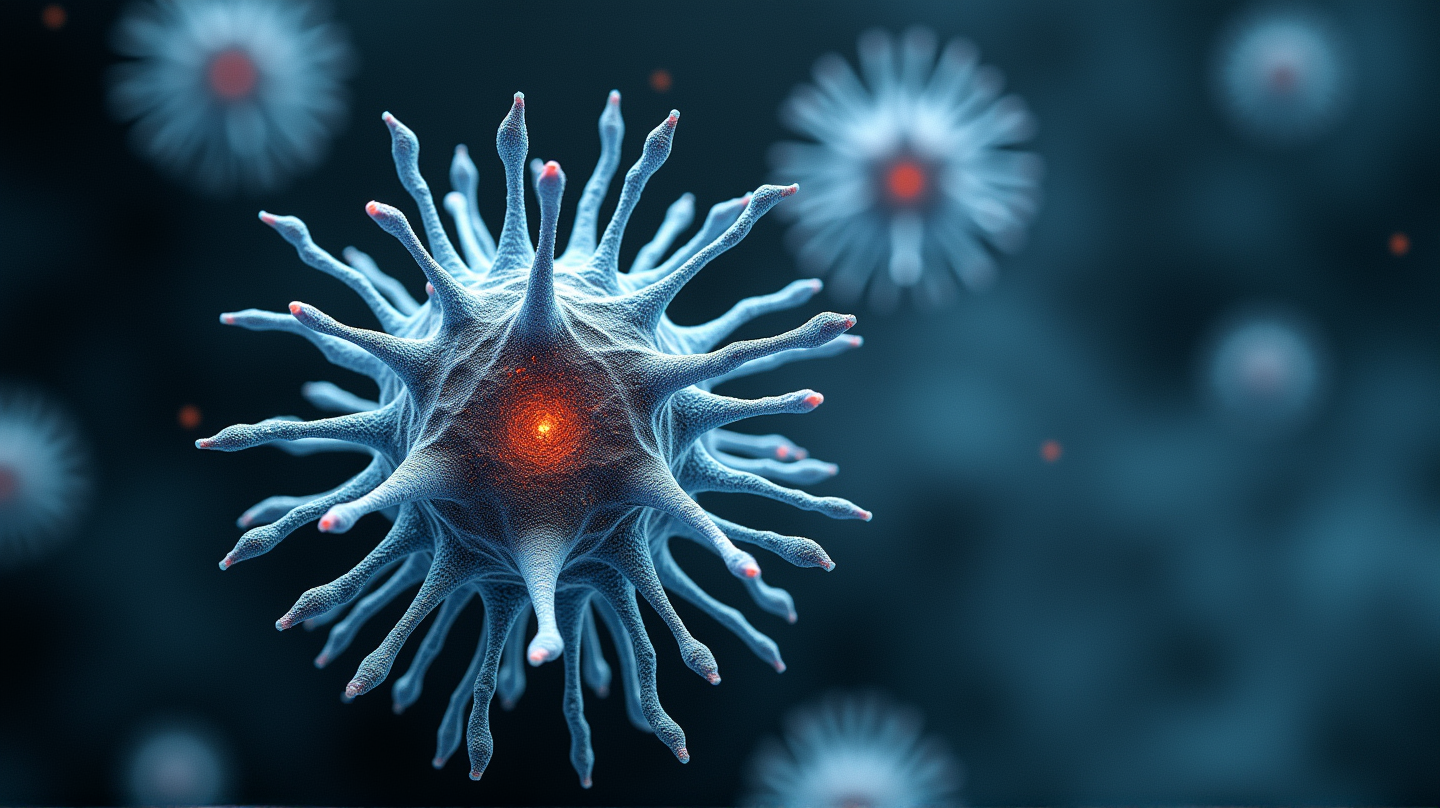
According to The Times of India, scientists have witnessed clusters of frog embryo cells forming new biological structures capable of motion and self-repair. These clusters, although derived from organisms no longer living, display a unique form of biological persistence, leading researchers to question the rigid definitions of life and death.
Ramifications for Science and Medicine
The implications of this discovery are profound. If cells can maintain potential beyond death, innovative approaches to regenerative medicine, tissue engineering, and targeted treatments may become possible. Imagine the impact on treating diseases and injuries, where custom-built cells could perform tasks unimaginable before.
Ethical Debates and Medical Ethics Revisited
The concept of a third state also stirs ethical and legal questions around end-of-life care, organ donation, and the definition of death itself. This newfound knowledge may prompt medical professionals to redefine the criteria for death and reconsider what constitutes viable transplants.
The Limitations and Ongoing Mysteries
As intriguing as this revelation is, it does not suggest the revival of consciousness or identity post-mortem. Instead, it reveals layers of biological complexity previously uncharted. The third state is observed under controlled lab conditions, and whether similar phenomena occur naturally remains a mystery.
A Paradigm Shift in Understanding Existence
The idea of life extensions beyond death encourages a broader understanding of mortality itself. If supported by further research, this discovery has the potential to reshape our philosophical and ethical narratives, encouraging future generations to explore existence beyond conventional boundaries.
In conclusion, while this scientific insight doesn’t bring immortality, it proposes a deeper inquiry into life’s persistence. The mystery continues, and as humanity progresses, who knows what other hidden secrets of biology might unfold?