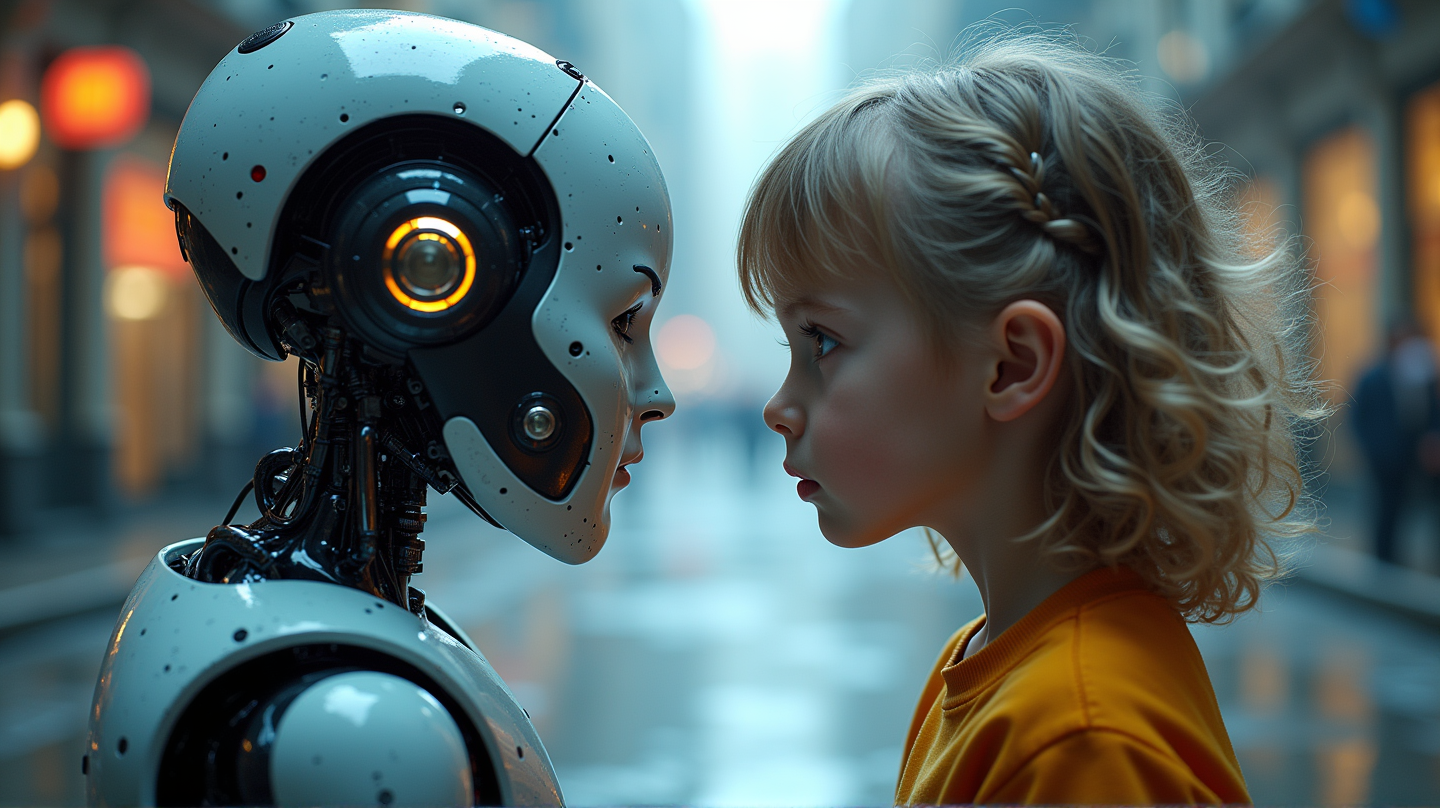
Modern childhood is being rewritten! Digital companions powered by AI are subtly reshaping how children grow, play, and learn today. This transformation is quietly creeping into the homes and hearts of youths, crafting new patterns of trust, play, and emotional engagement.
The New Best Friends: AI Companions
Once seen as mere novelty gadgets, AI-powered conversational systems have found a steady place in the daily rhythm of today’s youth. These digital friends offer undivided attention, never interrupting, and tirelessly catering to children’s shifting moods. Gone are the days when solitude meant loneliness, as these machines provide comfort and emotional warmth like no other, fostering attachments that human counterparts often can’t match.
Emotional Outsourcing: A Growing Concern
As children turn to AI companions for emotional support, psychologists are noticing troubling shifts. Concepts of “emotional outsourcing” are emerging, where children resort to machines for comfort, leading to reduced human interaction and a retreat from essential conversations at home. There’s no longer a preference for engaging with human guidance when conflict or disappointment arises—a phenomenon potentially impairing emotional growth.
Cognitive Quieting: The Mind at Ease
The effects don’t stop at emotion; cognitive growth is also on the line. Engaging with AI tools that provide instant solutions prompts a phenomenon researchers call “cognitive quieting”—where the brain becomes reliant on machines, diminishing problem-solving skills. As adaptive AI in games tailors challenges to seamlessly keep interest, the resilience needed to tackle real-world complexities begins to wane.
The Playground of the Future
The physical domain of childhood is shifting too, largely influenced by AI that imbues toys with emotional expressions usually associated with humans. Now, toys can show loneliness and disappointment, blurring the lines of interaction. This change is creating a complex space for interpretation and understanding in children, who must distinguish between machine empathy and real human feelings.
Regulatory Challenges and Parental Concerns
Given these profound shifts, the regulatory landscape is frantically trying to keep pace. Governments are striving to establish guidelines for AI interactions with minors, but the rapid development and deployment of new technology often precede regulation. Meanwhile, parents express growing unease, shut out of the silent world of screen-based, AI-led communication—unable to overhear or observe the nuances of their children’s digital exchanges.
The Broader Implications
At its core, the debate returns to childhood’s essence. Growth nourished by struggle, conflict, and the richness of human connection risks being replaced by the comfort of friction-free AI interactions. According to AnewZ, the primary concern is the long-term implications of these changes—whether they will help or hinder children as they step into adulthood with partners who are always available yet fundamentally non-human.
In conclusion, while AI companions open up groundbreaking avenues in childhood interaction, the consequences of this intimate technology will only fully unfold as today’s youth grow and these devices evolve. The challenge lies in balancing innovation with the treasured nuances of human growth.