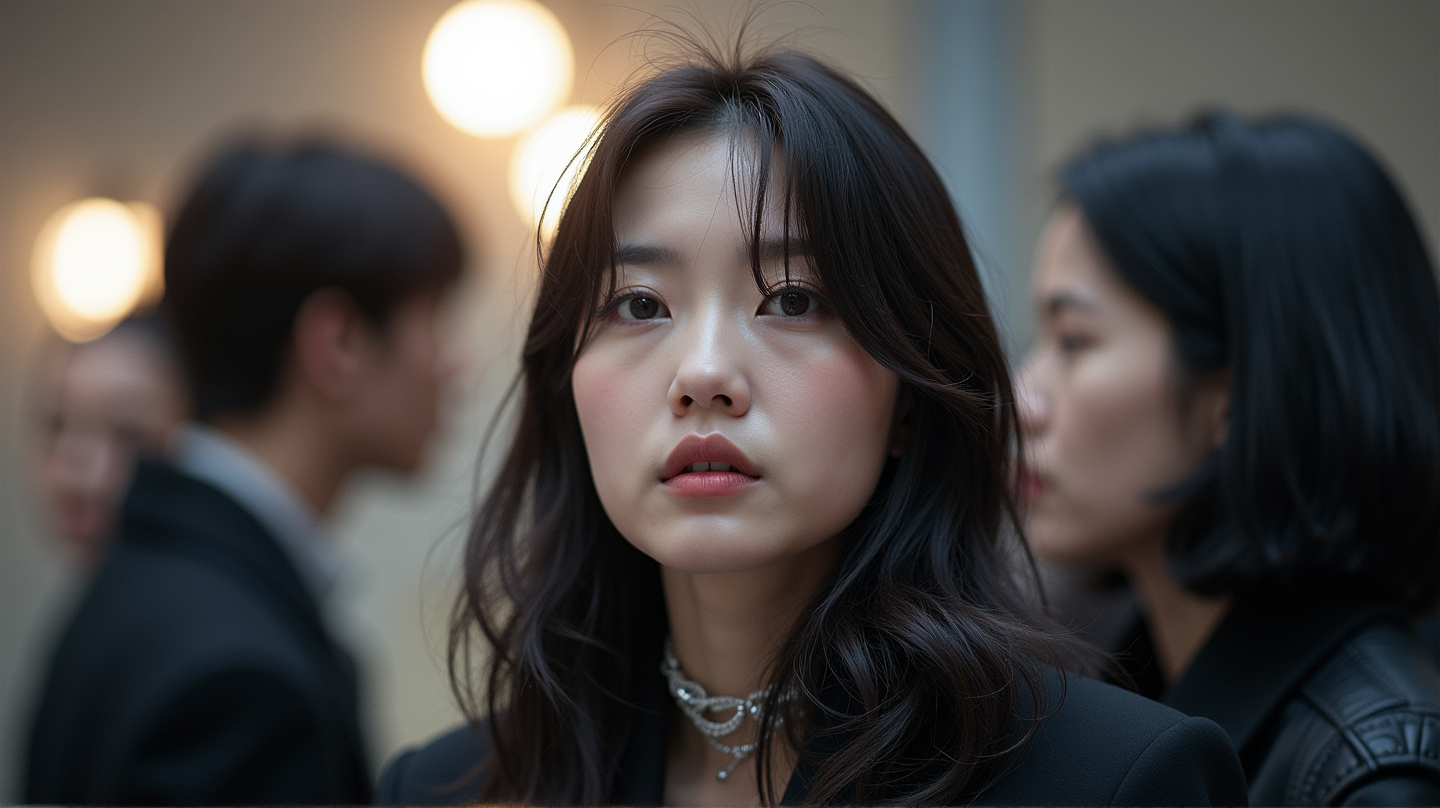
The glittering world of South Korean entertainment has been shadowed by a series of scandals that have reignited the country’s ongoing debate on ‘cancel culture.’ Within days, prominent figures like Park Na-rae, Cho Sae-ho, and Cho Jin-woong have found themselves at the center of public scrutiny, each accused of different infractions ranging from abuse and illicit associations to past criminal behavior. Their stories—entwined with allegations—reflect broader societal questions about accountability and redemption.
The Allegations: Truth or Tabloid?
Park Na-rae, a beloved comedian with a national following, made headlines when former managers accused her of verbal and physical abuse. Although she countersued, the public remains torn over her alleged personal misconduct and illegal home medical procedures.
Meanwhile, comedian Cho Sae-ho faces backlash over associations with organized crime figures. Despite denying direct involvement, Cho has stepped away from his popular shows, illustrating how social media fury can swiftly alter a celebrity’s trajectory.
The most debated case revolves around veteran actor Cho Jin-woong, who has quit acting following a viral report of past misdeeds, including juvenile detention for violent crimes. While Cho confirmed some wrongdoing, his narrative has left South Korea divided on the weight of past transgressions.
A Public Reckoning: Standards and Forgiveness
As public figures continue to step down or reflect deeply on their actions, the nation questions its culture of unforgiving judgment. Some argue that childhood errors should not dictate a lifetime’s worth of career opportunities, while others insist that victims should always remain priority.
Kim Sung-soo, a culture critic, articulates this dilemma: “In South Korea, the public wields immense power over celebrity careers, often leading to drastic measures for alleged misconduct.” His words resonate in a climate where stars apologize, not just for on-screen performances, but personal relationships and school behavior.
Reflections on Cancel Culture: Time for Change?
The term ‘cancel culture’—often connoted with moral policing—frames controversies as parts of a larger cycle that relentlessly judges public figures. Social media’s role, in rooting for accountability or revenge, casts doubts on the culture’s sustainability.
“There’s weariness in this dance—digging up dirt only to erase stars,” comments an X user. “Cancel culture isn’t moral growth but a digital witch-hunt.”
Societal Reflection: Beyond Celebrities
Beyond these tales of downfall, society contemplates its larger role in championing or challenging the current tides of public opinion. With pressing questions about equity and empathy, the coming months may see South Korea navigate this storm with new reflections on what fairness truly means in an online world.
As stated in BBC, these unfolding events illustrate the volatile intersection between fame, fallibility, and forgiveness.
The world continues to watch as South Korea’s celebrity circle wades through these murky waters—where redemption and ruin lie just a viral post away.